In an era where university tuition fees across the United States, United Kingdom, and Australia routinely exceed $35,000 to $60,000 annually, aspiring international scholars often assume that world-class higher education is an unattainable luxury reserved exclusively for the wealthy. However, across continental Europe, a radically different philosophical doctrine prevails: higher education is regarded as a public good and a fundamental human right. Consequently, dozens of historic, globally ranked universities across Germany, Norway, France, Italy, and Central Europe offer tuition-free or exceptionally affordable degree programs taught entirely in English for international students. This comprehensive manual details the top European destinations, admissions protocols, and living cost calculations for budget-conscious global scholars.
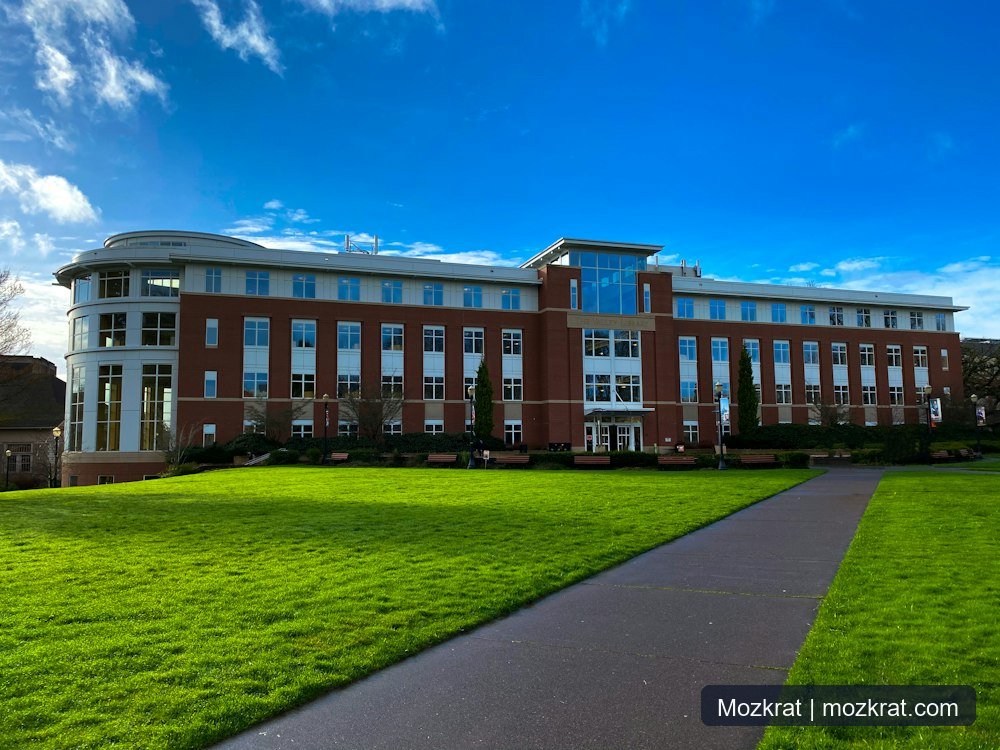 Centuries-old European university campus with historic lecture halls.
Germany: The Gold Standard of Tuition-Free Higher Education
Germany stands as the premier global destination for affordable higher education. In 2014, all 16 German federal states abolished undergraduate tuition fees at public universities for both domestic and international students. With the exception of the state of Baden-Württemberg (which charges a modest €1,500 per semester for non-EU students), public universities across Germany offer 100% tuition-free instruction.
Students attending elite German research institutions—such as the Technical University of Munich (TUM), Ludwig Maximilian University of Munich (LMU), and Heidelberg University—pay only a nominal administrative semester fee (Semesterbeitrag) ranging from €150 to €350. This contribution typically includes unlimited regional public transit passes, access to subsidized university dining halls, and student union services. Furthermore, Germany offers thousands of fully English-taught Master’s degrees, with undergraduate English offerings expanding rapidly in STEM and business disciplines.
Navigating the German 'Blocked Account' (Sperrkonto) Requirement
While tuition in Germany is essentially free, international applicants must prove their ability to cover living expenses to secure a student visa. The German federal government mandates that non-EU students establish a 'Blocked Account' (Sperrkonto) prior to departure.
Additionally, Germany provides generous working rights: international students can work up to 140 full days or 280 half days per calendar year, allowing ambitious scholars to support themselves through campus assistantships or local industry internships.
 International students studying together in a modern European university square.
Italy: Income-Based Tuition Fees and Regional DSU Grants
Italy has emerged as a powerhouse for affordable English-taught undergraduate and graduate degrees. Prestigious public institutions like Sapienza University of Rome, University of Bologna (the world's oldest university), and Politecnico di Milano charge tuition fees calibrated according to a student’s family income level (ISEE Parificato).
For international students hailing from developing economies or low-to-middle income backgrounds, annual tuition fees frequently drop to as little as €150 to €1,000 per year. Furthermore, Italian regional governments offer competitive DSU (Diritto allo Studio Universitario) scholarships that provide qualifying international students with completely free tuition, complimentary university dormitory housing, free daily dining hall meals, and an annual cash stipend.
- Income-assessed tuition scales reducing annual fees to under €1,000 for qualifying global scholars
- Comprehensive regional DSU grants providing free room, board, and annual living stipends
- Over 500 fully English-taught Bachelor's and Master's programs across STEM, architecture, and humanities
France and Central Europe: High Prestige at Accessible Costs
France maintains a distinguished academic heritage with accessible public tuition. While non-EU tuition fees were formally introduced under the 'Bienvenue en France' initiative, many French public universities routinely waive these surcharges, assessing standard rates of approximately €175 for Bachelor’s programs and €250 for Master’s degrees annually.
In addition, France provides universal housing subsidies through the CAF (Caisse d'Allocations Familiales), where the French government reimburses students up to 30-40% of their monthly apartment rent regardless of nationality. Meanwhile, Central and Eastern European powerhouses—such as Poland, Hungary (via the Stipendium Hungaricum scholarship), and the Czech Republic—offer world-class medical, technical, and engineering degrees at a fraction of Western European living costs.
 Vibrant European university library bustling with academic activity.
Post-Graduation Work Permits and Permanent Settlement Pathways
Beyond low study costs, continental Europe offers international graduates some of the most welcoming post-study work regulations in the world. Germany grants international graduates an automatic 18-month post-study job seeker visa, with pathways to permanent residency (Niederlassungserlaubnis) after just 21 to 24 months of qualified employment.
Similarly, France, the Netherlands, and Ireland offer one- to two-year post-study 'Orientation Year' work permits. In an era where English-speaking nations are restricting post-study visas, Europe's integration between affordable education and clear skilled migration pathways makes it an extraordinary investment for forward-thinking global students.
Frequently Asked Questions (FAQ)
Q: Do I need to speak the local language (German, Italian, French) to study in Europe?
A: No. Thousands of undergraduate and graduate programs are taught 100% in English. However, learning conversational local language skills significantly enriches daily life and unlocks broader local internship and post-graduation employment opportunities.
Q: Are European university degrees recognized in the United States and Canada?
A: Yes. European public universities operate under the standardized Bologna Process (ECTS credit system) and hold prestigious global accreditations recognized by academic institutions, credential evaluation agencies (such as WES), and multinational employers worldwide.
Q: What is the typical application deadline for European public universities?
A: For winter semester intake (commencing in September/October), application windows typically run from February to May 15 or July 15, depending on the country and whether the program operates under restricted quota (Numerus Clausus) admissions.
Final Thoughts & Looking Ahead
Attending a globally ranked university does not require plunging into decades of crippling student debt. By setting your sights on continental Europe's world-class public institutions, you can obtain a prestigious, internationally recognized degree, immerse yourself in vibrant multicultural societies, and launch a global career while preserving your financial freedom.