The modern K-12 educational framework is undergoing its most comprehensive structural overhaul since the inception of universal compulsory schooling in the late nineteenth century. For generations, traditional school systems adhered strictly to an industrialized assembly-line doctrine: standardized bell schedules, age-rigid grade cohorts, passive lecture-based instruction, and uniform rote memorization assessments that frequently stifled individual creativity while alienating diverse cognitive profiles. In 2026, an international renaissance in pedagogical architecture, grounded in contemporary cognitive neuroscience and human-centered design, is radically transforming how elementary and secondary institutions nurture young minds. This detailed guide explores the cutting-edge methodologies, authentic assessment paradigms, and physical space transformations driving modern K-12 education.
 Primary school students collaborating on hands-on project-based assignments.
Phenomenon-Based Learning and Interdisciplinary Inquiry
Rather than segregating young minds into disconnected 45-minute compartments of abstract mathematics, isolated grammar drills, and memorized historical timelines, pioneering primary and secondary schools are organizing curricula around real-world interdisciplinary phenomena. Popularized by educational reforms in Finland and rapidly adopted across forward-thinking school districts globally, Phenomenon-Based Learning (PhenoBL) anchors core academic objectives to tangible, multifaceted questions.
In an exemplary 6th-grade classroom, students do not study geography or physics in a vacuum. Instead, they spend six weeks investigating the complex phenomenon of global maritime shipping logistics. In resolving this theme, students calculate fuel displacement algorithms (mathematics), analyze ocean current patterns and climate impact (earth science), debate historical trade treaty implications (civics), and compose persuasive executive summaries (language arts). This immersive methodology firmly grounds abstract formulas within practical reality, sparking intrinsic curiosity and cementing long-term conceptual retention.
The Migration from High-Stakes Standardized Testing to Authentic Assessment
Educational researchers and child development psychologists have long warned against the systemic damages wrought by over-reliance on high-stakes, multiple-choice standardized examinations. Beyond inducing chronic anxiety among elementary and middle school cohorts, standardized testing predominantly measures socioeconomic privilege and short-term test-taking mechanics rather than authentic critical intellect.
Under this authentic assessment framework, a middle-school science student demonstrates biological mastery not by memorizing cell diagrams for a Friday quiz, but by cultivating an automated hydroponic vegetable garden, logging daily pH water chemistry data, and presenting their harvest findings to local agricultural specialists. Continuous qualitative feedback supplants reductive letter grades, cultivating a growth mindset and eliminating the paralyzing fear of failure.
 Interactive modern classroom equipped with collaborative digital displays.
Social-Emotional Learning (SEL) as an Indispensable Academic Pillar
Advanced neuroimaging studies have incontrovertibly established that cognitive learning cannot be decoupled from emotional equilibrium. When a student experiences chronic stress, social marginalization, or untreated anxiety, the amygdala hijacks cognitive resources, significantly impairing the prefrontal cortex's ability to process complex reasoning and synthesize working memory. Consequently, 2026 K-12 standards treat Social-Emotional Learning (SEL) as equally essential as foundational literacy.
Modern schools formally schedule daily morning reflection meetings, collaborative conflict-resolution circles, and structured mindfulness intervals throughout the academic timetable. Students are explicitly taught emotional self-regulation, cognitive reframing techniques, active listening, and compassionate boundary setting. Longitudinal studies show that institutions embedding comprehensive SEL practices experience a 28% drop in disciplinary referrals alongside measurable improvements in standardized math and reading literacy.
- Daily mindfulness circles and emotional self-awareness check-ins
- Restorative justice frameworks that prioritize relational repair over exclusionary detention
- Comprehensive digital citizenship instruction teaching digital hygiene, empathy, and critical media literacy
The Architectural Revolution: Flexible and Biophilic Learning Spaces
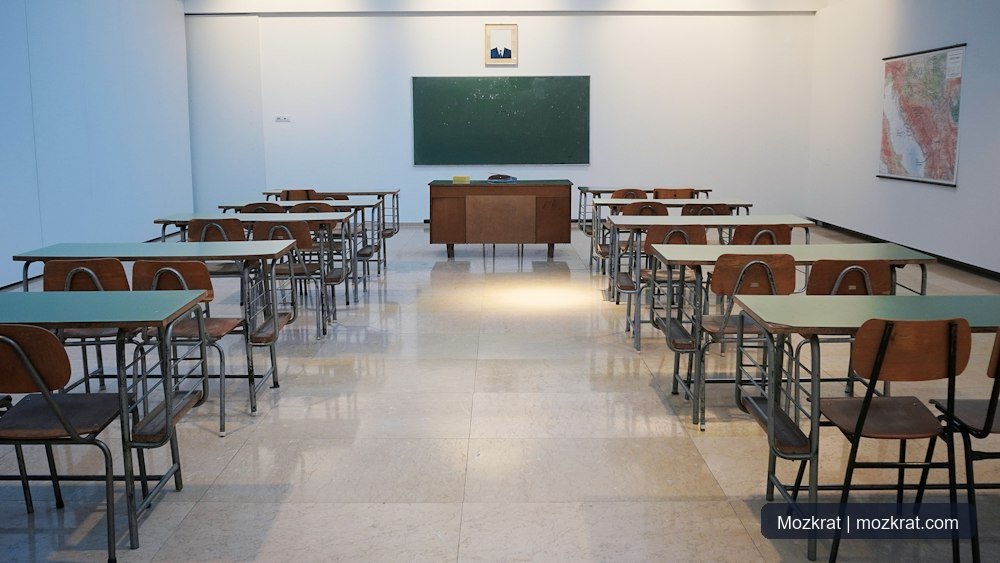
The physical environment in which education occurs serves as a silent yet potent co-educator. The oppressive architectural paradigm of static rectangular classrooms with rows of rigid forward-facing desks bolted to the floor has been decisively abandoned. Modern educational spaces are intentionally designed with dynamic, reconfigurable furniture that can be rearranged in seconds to accommodate independent research, small-group collaboration, or whole-class discussions.
Furthermore, schools are embracing biophilic architectural design principles. Classrooms maximize natural circadian daylight, integrate living indoor flora walls to improve air purity, and utilize acoustic dampening materials to minimize disruptive sensory overstimulation. Breakout pods, sensory decompression rooms, and outdoor learning gardens provide neurodivergent students with sensory-friendly zones that prevent sensory overload and support focus.
 Individualized student mentorship focusing on creativity and STEM mastery.
Community-Connected Learning and Real-World Civic Engagement
The ultimate culmination of modern K-12 reform is the deliberate dismantling of the barrier between the school campus and the broader local community. Rather than treating education as an insular bubble insulated from civic life, high school curricula integrate mandatory community partnerships, mentorship internships, and civic capstones.
Secondary students collaborate with local municipal agencies, non-profit organizations, and local business incubators to solve tangible neighborhood challenges. Whether auditing community accessibility ramps, designing municipal energy conservation websites, or organizing volunteer literacy workshops for elderly residents, students graduate not merely with diplomas, but with an established track record of authentic civic leadership and social agency.
Frequently Asked Questions (FAQ)
Q: Does phenomenon-based learning adequately prepare students for university admissions requirements?
A: Yes. Universities worldwide actively seek out students who demonstrate independent inquiry, project management skills, and multidisciplinary problem-solving abilities developed through phenomenon-based learning.
Q: How do schools ensure educational equity in project-based learning environments?
A: Progressive school districts provide universal classroom funding, digital devices, and specialized materials so that no child's project success is determined by their family's personal socioeconomic resources.
Q: What role does artificial intelligence play in modern K-12 classrooms?
A: Rather than banning AI, modern schools teach children how to use AI responsibly as a collaborative brainstorming assistant, research accelerator, and adaptive tutor while emphasizing original critical thought.
Final Thoughts & Looking Ahead
The modernization of K-12 education in 2026 reflects a humanitarian revolution in how society views childhood. By honoring individual developmental trajectories, championing emotional well-being, and grounding academic rigor in authentic real-world inquiry, contemporary primary and secondary schools are cultivating compassionate, innovative, and resilient leaders equipped to navigate an intricate global future.