The meteoric integration of artificial intelligence across higher education represents the most profound technological inflection point since the introduction of the internet itself. In 2026, academic institutions have moved decisively beyond the initial phase of alarmist panic and futile prohibition. Progressive universities understand that attempting to ban generative AI and machine learning tools is as futile as banning handheld calculators from mathematics departments was half a century ago. Today, leading global universities are intentionally embedding artificial intelligence into pedagogical frameworks, research pipelines, and authentic assessment models. This comprehensive analysis explores how AI is revolutionizing university classrooms, empowering faculty, and redefining human scholarship.
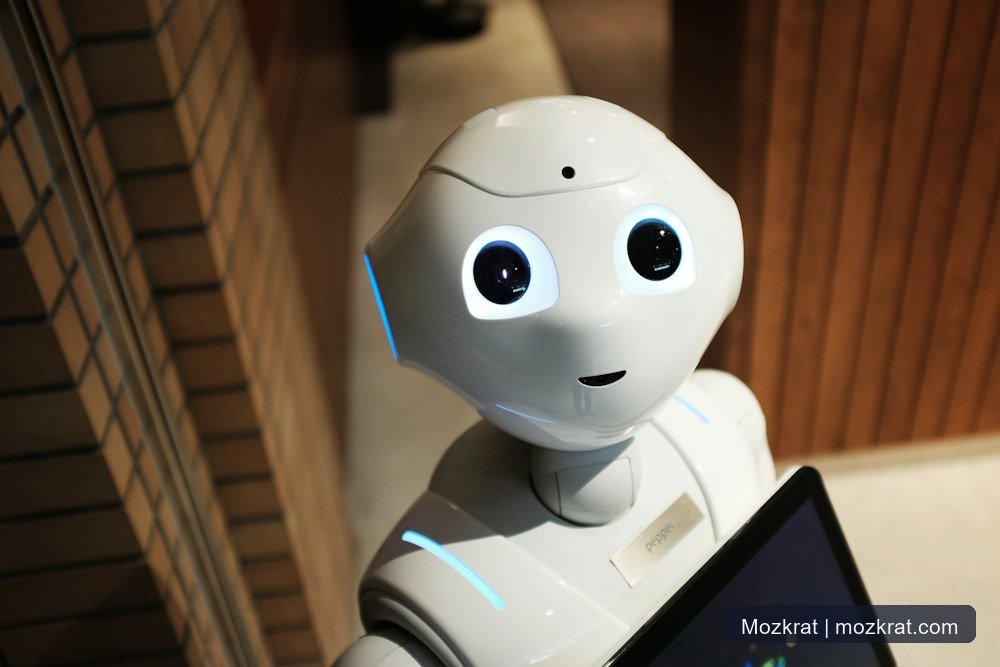 Cutting-edge artificial intelligence and robotics research in higher education.
From Prohibition to Pedagogy: The Evolution of AI Academic Policies
When advanced large language models and generative AI systems first became widely accessible, the initial institutional response across global universities was characterized by profound confusion, alarmist headlines, and hasty attempts to enforce draconian bans. However, automated AI detection software quickly proved fundamentally flawed and technically unviable, frequently generating unacceptable false-positive rates that disproportionately penalized neurodivergent students and international scholars writing in non-native English.
In 2026, university academic senates and faculty councils have decisively pivoted toward proactive 'AI Literacy and Ethical Co-Intelligence' pedagogical frameworks. Instead of treating AI assistance as an inherent academic integrity violation, course syllabi explicitly define when, where, and how AI tools may be ethically leveraged to enhance learning. Students receive formal instruction in advanced prompt architecture, algorithmic bias identification, training-data provenance, and empirical citation verification. Course assignments frequently require students to generate an AI draft, critically dissect its factual hallucinations and logical inconsistencies, and rewrite the treatise with deeper human scholarship and primary source validation.
Intelligent 24/7 Cognitive Tutors and Democratized Office Hours
For generations, academic mentorship in higher education has suffered from an inescapable mathematical bottleneck: a single university professor or graduate teaching assistant cannot provide continuous, customized one-on-one personalized tutoring to a lecture auditorium of three hundred undergraduate students. Enter domain-tuned academic AI tutors.
Early empirical evaluations show that students utilizing personalized Socratic AI tutors exhibit a 34% reduction in drop-out rates in foundational STEM gateway courses, with particularly transformative gains observed among first-generation college students who historically felt intimidated asking questions during physical office hours. The technology acts as an educational equalizer, ensuring help is available at 2:00 AM before a major exam.
 Students collaborating using interactive intelligent digital learning surfaces.
Accelerating Academic Research and Literature Synthesis
In scientific, medical, and humanities laboratories, artificial intelligence has fundamentally shortened research lifecycles. Doctoral candidates and postdoctoral fellows previously dedicated months to manually reading, indexing, and synthesizing thousands of peer-reviewed papers.
Modern AI research copilots analyze millions of academic publications in seconds, identifying overlooked cross-disciplinary correlations, generating predictive molecular docking simulations, and surfacing meta-analytic statistical patterns. In biomedical engineering, AI models predict protein fold dynamics in minutes, allowing university researchers to design targeted therapeutic compounds that previously required years of wet-lab trial and error.
Furthermore, natural language interfaces enable researchers to query massive observational climate datasets or historical archives using intuitive conversational language, accelerating the pace of scientific discovery and fostering unprecedented interdisciplinary breakthroughs.
- Automated cross-disciplinary literature reviews synthesizing decades of research in hours
- Generative synthetic data generation allowing safe modeling of clinical patient trials
- Real-time multilingual translation bridging academic research across international boundaries
The Renaissance of Oral Defense and Authentic Assessment
The widespread ubiquity of generative text generation has permanently disrupted traditional, unproctored take-home essay assessments. If an algorithm can draft a B-grade undergraduate essay in twenty seconds, assessing students via generic essays is obsolete.
Consequently, higher education is witnessing a vibrant renaissance of classical European oral examinations, in-person socratic defenses, and dynamic collaborative capstones. Students must verbally articulate their analytical decisions, defend their methodologies before a faculty panel, and respond spontaneously to counter-arguments. This shift has elevated student communication fluency, critical reasoning, and real-time debate skills to their rightful place at the pinnacle of academic evaluation.
Students learn to think on their feet, defend nuance, and articulate complex perspectives under constructive scrutiny—skills that cannot be replicated by generative algorithms and that serve graduates immensely throughout their professional careers.
 Complex neural network algorithms driving academic predictive research.
Algorithmic Ethics, Bias Mitigation, and Data Sovereignty
As universities integrate AI into institutional operations—including admissions screening, student retention forecasting, and financial aid allocation—rigorous ethical oversight is non-negotiable. Machine learning models trained on historical societal data inevitably inherit historical societal biases.
Leading universities have instituted multidisciplinary AI Ethics Review Boards (mirroring traditional Institutional Review Boards). These bodies rigorously audit algorithmic models for demographic fairness, enforce strict student data sovereignty standards, and guarantee that proprietary student coursework is never co-opted to train commercial commercial models without explicit consent.
Transparent data stewardship ensures that the digital transformation of higher education enhances equity, respects individual privacy rights, and upholds the highest standards of public trust.
Frequently Asked Questions (FAQ)
Q: Will artificial intelligence devalue the traditional four-year university degree?
A: No. AI automates routine cognitive tasks, making human skills—such as critical judgment, ethical leadership, complex problem-solving, and emotional empathy—more valuable than ever before.
Q: How do universities handle plagiarism when students use AI?
A: Institutions establish transparent attribution guidelines. If AI is used for brainstorming or code debugging, students must cite the model and prompt in a formal methodology footnote, maintaining absolute academic transparency.
Q: Can AI assist students with learning disabilities in university?
A: Yes. AI provides transformative accessibility accommodations, offering real-time speech-to-text, cognitive text summarization, adaptive dyslexia-friendly formatting, and auditory explanations for visually impaired scholars.
Final Thoughts & Looking Ahead
The integration of artificial intelligence in higher education marks a renaissance of intellectual empowerment. By automating procedural rote tasks and democratizing personalized mentorship, AI liberates both educators and scholars to focus on the highest ideals of academia: deep human connection, ethical introspection, and the relentless pursuit of original truth.