The global landscape of higher education is undergoing an unprecedented structural metamorphosis in 2026. What initially began as an emergency response to global logistical disruptions has crystallized into a permanent, highly sophisticated reimagining of how world-class universities deliver knowledge, cultivate groundbreaking research, and prepare students for an increasingly automated, interconnected global economy. Academic institutions across North America, Europe, Asia, and Oceania are no longer debating whether digital integration is beneficial; rather, they are aggressively engineering multi-modal pedagogical frameworks that harmonize human-centric mentorship with borderless, technology-driven scholarship. This comprehensive analysis explores the defining macroeconomic, technological, and demographic trends reshaping modern universities and highlights the strategies required for students and faculty to thrive.
 Modern university campus blending historic architecture with digital learning hubs.
The Permanent Institutionalization of HyFlex Learning Architectures
The binary dichotomy between rigid in-person lectures and disconnected asynchronous online courses has officially dissolved. Premier academic institutions have universally embraced Hybrid Flexible (HyFlex) delivery models. Under this sophisticated architecture, lectures are conducted synchronously inside state-of-the-art interactive auditoriums while simultaneously engaging global remote cohorts through high-definition bidirectional audio-visual arrays, real-time shared digital whiteboards, and instant peer polling.
HyFlex instruction is not simply a matter of positioning a webcam at the back of a lecture hall; it represents a fundamental re-engineering of instructional design. Professors design paired curricular tracks where theoretical foundations are absorbed through multimedia modules before class, reserving live synchronous time for rigorous case-study debates, hands-on lab experiments, and collaborative problem-solving workshops. This pedagogical shift directly accommodates students balancing academic ambition with professional careers, caregiving responsibilities, or international visa processing timelines.
The Unbundling of Degrees: Micro-Credentials and Stackable Qualifications
A second monumental paradigm shift is the unbundling of traditional four-year degree programs. While bachelor’s and master’s diplomas maintain undeniable social and professional prestige, corporate employers and research institutes increasingly prioritize demonstrable, verifiable competencies over ambiguous course transcripts. In response, forward-thinking universities have forged formal consortium partnerships with enterprise technology leaders, biotechnology pioneers, and financial powerhouses to offer stackable micro-credentials.
Under this emerging modular framework, students can pursue core academic coursework while concurrently earning industry-accredited certifications embedded directly within the university syllabus. Furthermore, working professionals can accumulate individual academic badges across multiple years, ultimately consolidating them into a fully accredited master's degree. This fluid credentialing ecosystem democratizes lifelong learning and significantly mitigates the critical skills mismatch across the global economy.
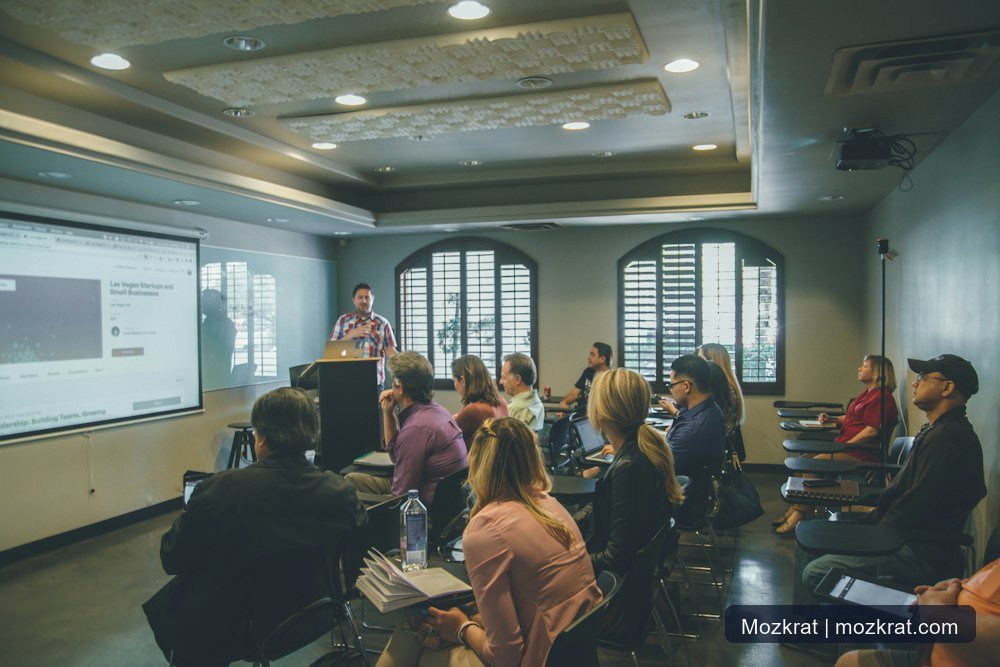 Students collaborating in dynamic hybrid academic environments.
Transnational Education Hubs and the Decentralization of University Campuses
For generations, international education was defined by cross-border migration: students from developing economies endured immense financial and bureaucratic hurdles to relocate to elite urban centers in London, Boston, Melbourne, or Toronto. In 2026, international education has shifted toward decentralization through transnational academic hubs and regional branch campuses.
Leading universities across the United Kingdom, Australia, and North America are partnering with local governments in Southeast Asia, the Gulf Cooperation Council (GCC), and Latin America to establish state-of-the-art regional campuses. These centers offer identical curricula, shared digital library resources, and rotating faculty exchanges, granting scholars access to world-renowned degrees at approximately one-third of the traditional relocation and living overhead.
- Transnational dual-degree initiatives cutting living expenses for international scholars by 40-60%
- Harmonized regional credit transfer compacts facilitating semester-long multi-country rotations
- Collaborative multi-university research consortia addressing regional climate and health challenges
Data-Driven Predictive Analytics and Personalized Student Retention
Higher education administrators are leveraging enterprise-grade predictive analytics to dismantle traditional barriers to academic completion. By synthesizing student engagement signals from learning management systems (LMS), campus card access points, library utilization metrics, and periodic assignment submissions, institutional algorithms identify academic vulnerability weeks before mid-term examination failures manifest.
When a student displays declining engagement patterns, automated alerts prompt specialized academic advisors, wellness counselors, and peer tutors to initiate proactive, empathetic interventions. This systemic shift from punitive academic probation toward supportive, preventative coaching has yielded measurable increases in freshman retention rates and four-year graduation metrics across participating state and private universities worldwide.
 Advanced research facilities driving cross-disciplinary university discoveries.
Demographic Transitions and Sustainable Institutional Finance
Universities across East Asia, Western Europe, and parts of the United States are navigating an undeniable demographic contraction, colloquially referred to in higher education administration as the 'enrollment cliff.' Declining birth rates over the preceding two decades have diminished the absolute pool of traditional 18-year-old college entrants. Consequently, surviving and thriving requires radical financial diversification.
Institutions are actively repositioning themselves as lifelong intellectual partners rather than transactional four-year stations. Universities are expanding non-degree executive certificates, adult career transition academies, and corporate research incubators. Additionally, multi-billion-dollar endowment funds are undergoing rigorous ESG realignments, divesting from volatile legacy sectors in favor of high-yield sustainable infrastructure and clean technology funds that generate predictable returns to support low-income student financial aid.
Frequently Asked Questions (FAQ)
Q: Are online and hybrid degrees viewed with equal credibility by top employers in 2026?
A: Yes, exhaustive employment outcome studies demonstrate that global recruiters evaluate candidate portfolios, applied technical projects, and accredited institutional standing without making arbitrary distinctions between on-campus and hybrid graduates.
Q: How do stackable micro-credentials integrate with traditional academic transcripts?
A: Accredited universities document completed micro-credentials on digital cryptographic transcripts (such as Open Badges or blockchain-verified records), allowing students to showcase granular skillsets alongside comprehensive degree requirements.
Q: What strategies can international applicants use to evaluate transnational branch campuses?
A: Prospective students should confirm whether the branch campus shares identical degree-granting accreditation with the parent institution, verify faculty credential parity, and evaluate available campus mobility agreements that permit spending semesters at the home campus.
Final Thoughts & Looking Ahead
The global evolution of higher education in 2026 illustrates an empowering transition toward democratization, flexibility, and real-world efficacy. Institutions that have courageously embraced hybrid pedagogies, modular credentialing, and compassionate analytics are cultivating a new generation of resilient, globally competent scholars. For aspiring students entering academia today, the educational landscape provides unprecedented liberty to design personalized, high-impact intellectual journeys.